
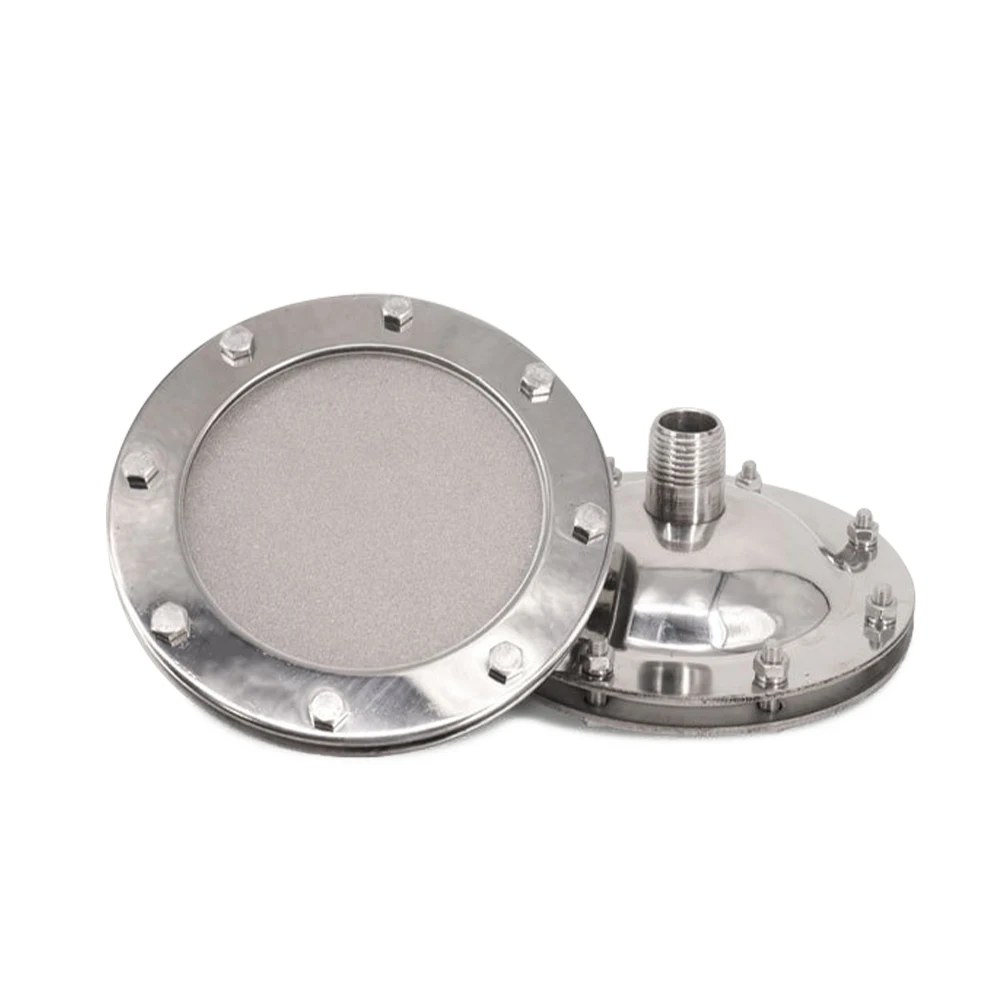
Qlozone Titanium Alloy Ozone Water Generator Nano Bubble Ozone Water Aerator Industrial Wastewater Treatment Ozone air Diffuser


Qlozone Titanium Alloy Ozone Water Generator Nano Bubble Ozone Water Aerator Industrial Wastewater Treatment Ozone air Diffuser
SPECIFICATIONS
Application: ozone water treatment
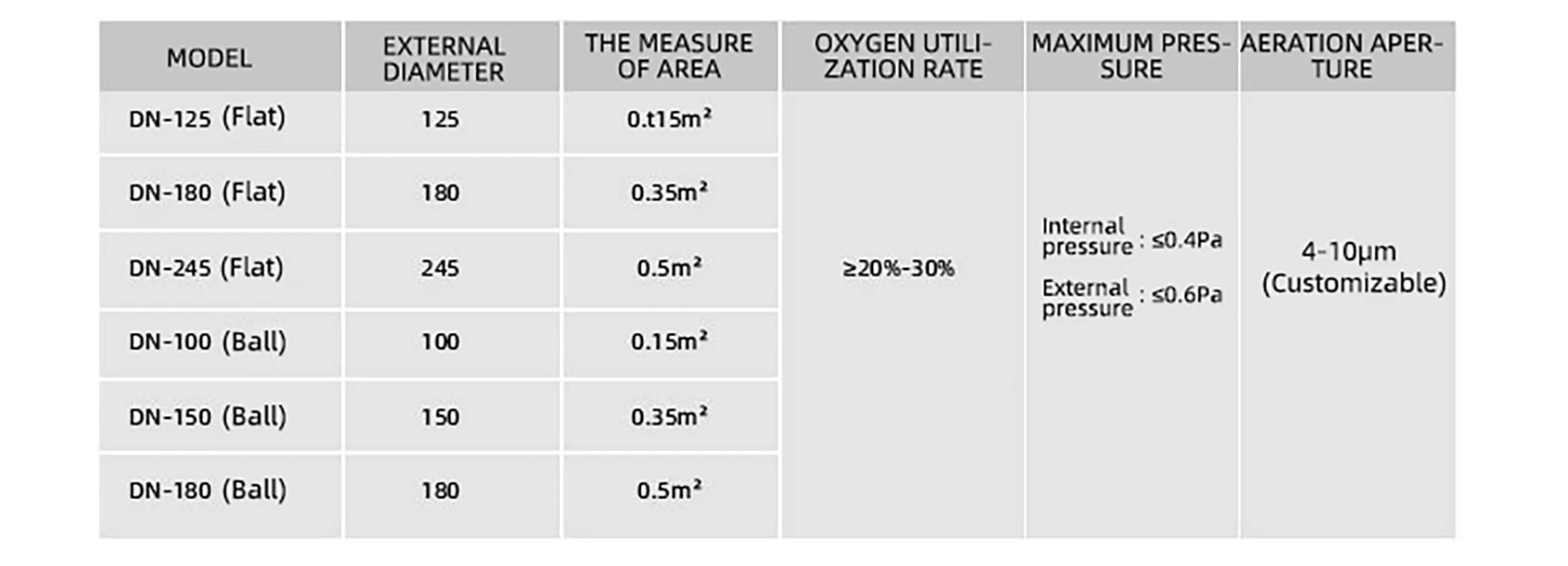
EA: ≥20%-30%
Inlet Diameter: 1/2 inch(can custom)
Material: Titanium and stainless steel
Max Pressure: Intemal withstand pressure ≤ 0.4Pa/Extemal pressure ≤ 0.6Pa
Micropore Diameter: 4μm~10μm(can custom)
Micropore diameter: 0.22μm~100μm
Power(W): 0w
Processing Type: Wastewater Treatment
Thickness: 3mm
Type: nano bubble generator
Usage: ozone diffuser
Voltage: 220 V,110 V
brand name: Qlozone
core components: Aeration stone
machinery test report: Provided
place of origin: Guangdong, China
productivity: others
video outgoing-inspection: Provided
warranty: 1 Year
weight (kg): 1
Product Highlights
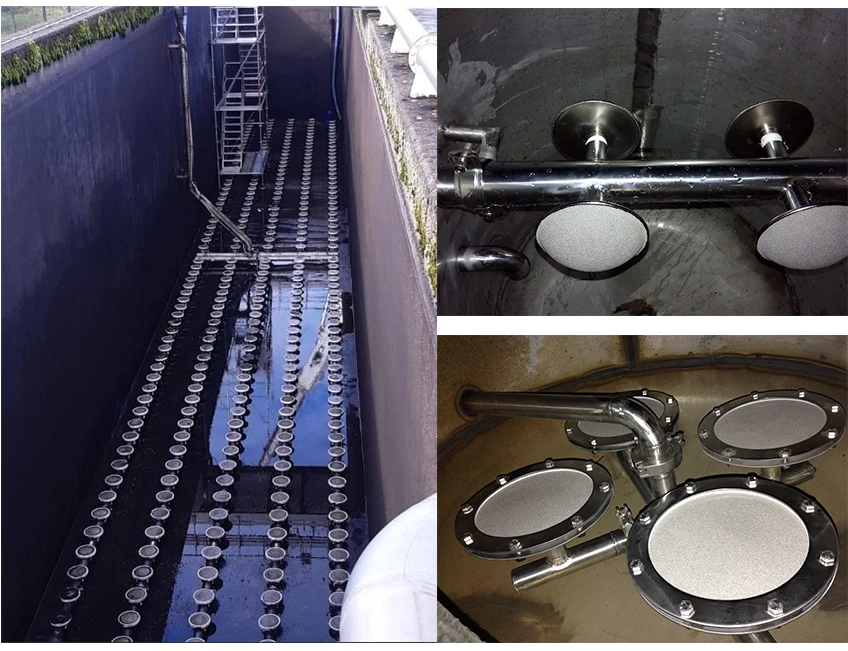
Micropore diameter: 4um~10um
Porosity:35%~50%.
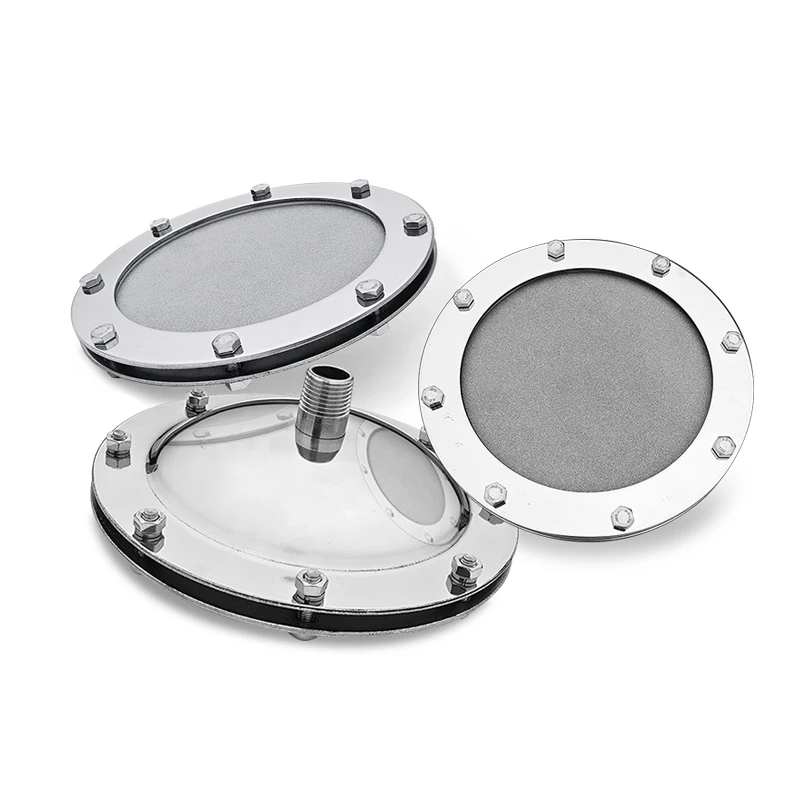
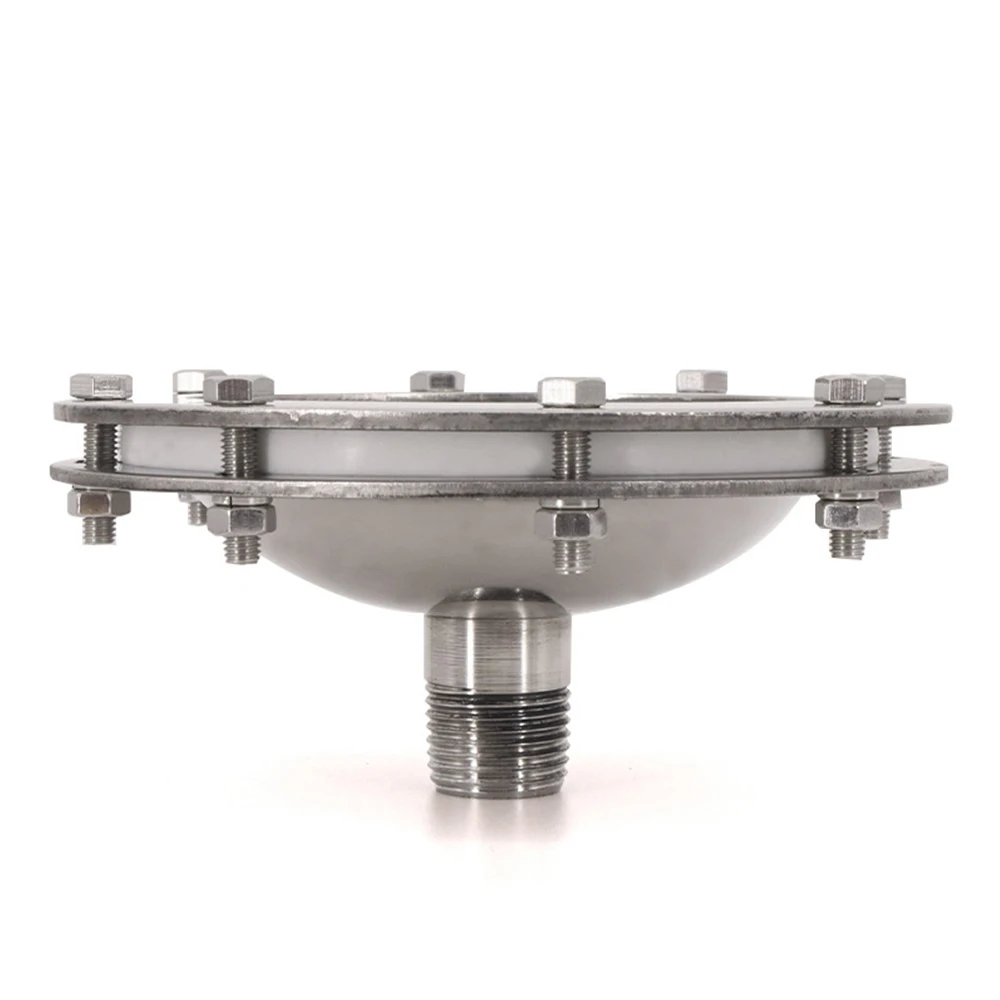
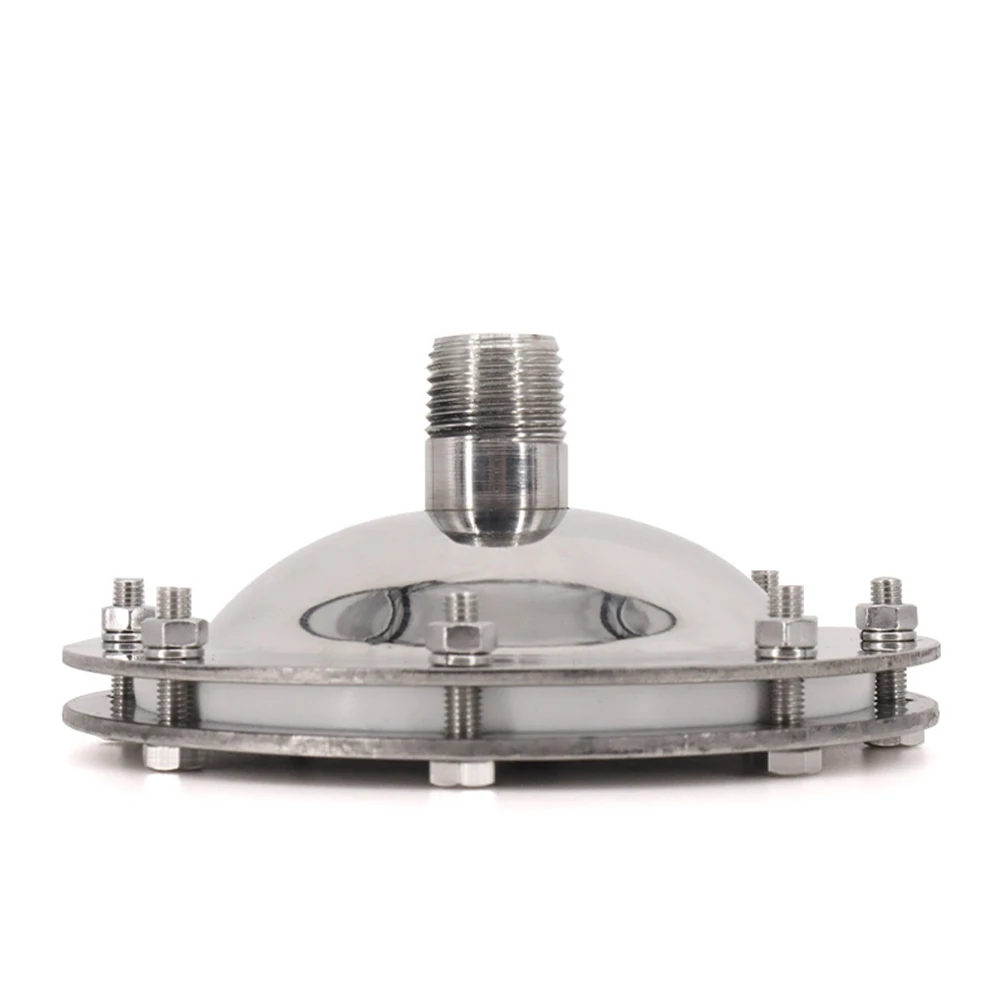
Diameter for disc:100/150/180mm
Thickness:3mm
Aerated bubble: 0.1~2mm
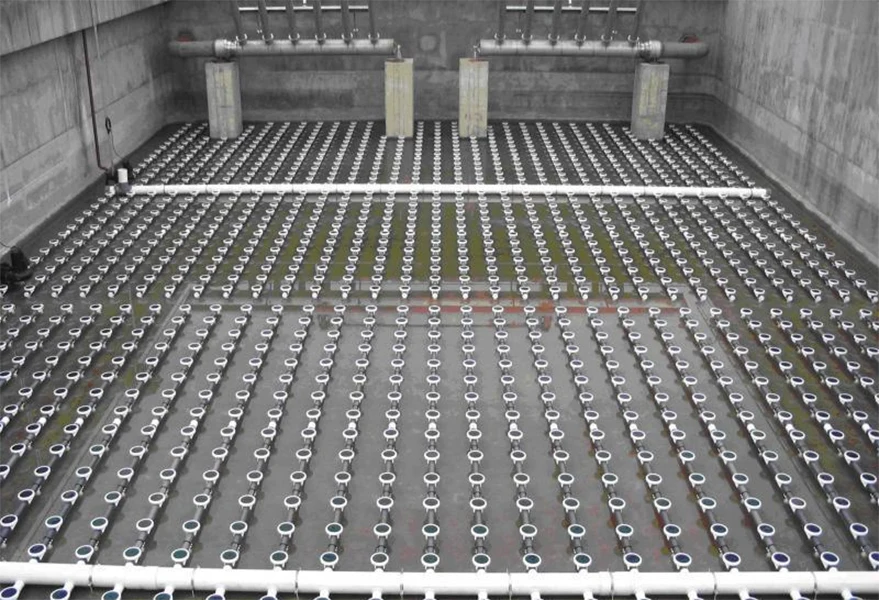
Connector can be 4"or 6"with female or male screw,tower type
FAQs
Q: What is an ozone generator for water treatment?
A: An ozone generator is a device that produces ozone (O3), a powerful oxidizing agent, to disinfect and purify water by eliminating bacteria, viruses, algae, and organic contaminants.
Q: How does ozone water treatment work?
A: Ozone is generated by passing oxygen (O2) through a high-voltage electrical discharge (corona discharge) or ultraviolet light. The ozone is then dissolved into water, where it oxidizes and destroys microorganisms and organic pollutants.
Q: What are the benefits of using ozone for water treatment?
A: - **Strong disinfection**: More effective than chlorine against pathogens.
- **No harmful byproducts**: Unlike chlorine, ozone does not produce trihalomethanes (THMs).
- **Removes odors & tastes**: Eliminates unpleasant smells and flavors.
- **Oxidizes metals**: Removes iron, manganese, and sulfur.
- **Environmentally friendly**: Decomposes into oxygen, leaving no residue.
Q: What types of water can ozone treat?
A: - Drinking water
- Wastewater
- Swimming pools & spas
- Industrial process water
- Bottled water
- Aquaculture & hydroponics
Q: Is ozone treatment safe?
A: Yes, when used correctly. Ozone is highly effective but must be controlled to avoid overexposure, which can be harmful to humans if inhaled. Proper ventilation and monitoring are essential.
Q: How long does ozone last in water?
A: Ozone has a short half-life (about 20-30 minutes in water) and decomposes back into oxygen. This means it must be generated on-site and used immediately.
Q: Does ozone leave any residual in water?
A: No, ozone does not leave a long-lasting residual, which is why some systems combine it with small amounts of chlorine for prolonged protection.
Q: What maintenance does an ozone generator require?
A: - Regular cleaning of the ozone contact chamber
- Checking and replacing air/oxygen filters
- Inspecting electrodes (in corona discharge systems)
- Monitoring ozone output levels